SBS Paperboard
SBS paperboard is selected when sharp printing, clean typography, and accurate colour reproduction are required.
Get 10% Discount On Your First Order
Production units of Black Bird Company produces custom cigarette boxes for tobacco packaging projects. We make according to the require accurate dimensions, clean print layout, folding-carton structure, carton packaging, and production consistency.
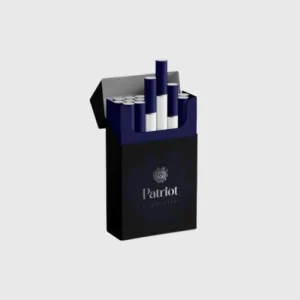
Flip-top cigarette boxes are commonly used for standard cigarette packaging. They require accurate folding, hinge planning, lid clearance, tuck control, and clean panel alignment.
Sleeve-style cigarette boxes are used for selected formats where allowed by the client’s packaging requirements.
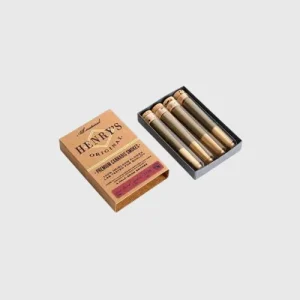
Custom cigarette boxes are produced in specific sizes, materials, and structures according to the client’s product format and approved artwork.
These boxes require precise artwork alignment and controlled print quality. In regulated markets, printing must support approved health warnings, and other required package elements.
Flip-top cigarette boxes are used for standard cigarette packaging. They require accurate folding, hinge planning, lid clearance, tuck control, and clean panel alignment.
Slide-and-shell cigarette boxes use an outer shell and inner slide. Health Canada’s regulations specifically discuss interior surfaces of slide-and-shell packages, which makes dieline planning especially important.
Tuck-style cigarette boxes are used for selected tobacco packaging formats, sample-style packaging, or secondary packaging. Tuck panels should not interfere with required label areas.
King-size cigarette boxes are designed around the final cigarette length, count, insert or lining requirements, and carton packing method.
Manufacturers need primary packs, secondary cartons, master cartons, and production-ready dielines that align with approved regulatory artwork.
Distributors need carton packaging, case labels, barcode areas, and warehouse-ready packaging that supports inventory control.
Private-label tobacco packaging needs careful coordination between brand artwork, legal review, required warnings, and production specifications.
Carton buyers need packaging that fits multiple primary packs, folds accurately, and leaves room for required exterior and interior information.
03
Repeat tobacco packaging orders need consistent board grade, folding accuracy, colour control, panel registration, and carton fit.
04
Cigarette cartons and master cases are planned around pack count, stacking, shipment handling, and warehouse scanning.
05
Paperboard, kraft board, coated board, and corrugated options are selected according to structure, folding performance, print requirements, and carton use.
01
Custom sizing helps the box match the cigarette format, count, and carton arrangement. Accurate dimensions reduce production issues and help the box close properly.
02
It requires controlled print zones. A proper dieline helps separate artwork, warning areas, barcode zones, stamp zones, and fold lines.
SBS paperboard is selected when sharp printing, clean typography, and accurate colour reproduction are required.
This material is used for natural, handmade, casualwear or eco-conscious brand positioning. Artwork should be proofed because colors appear differently on brown stock.
Kraft paperboard is used carefully because colour reproduction is different on brown stock, and regulated packaging appearance requirements may limit its use.
Coated paperboard supports smoother print surfaces and controlled folding, making it useful for many cigarette-box structures.
Black Bird Company supports packaging buyers with custom dielines, material options, structural samples, print production, and repeat-order consistency. Final tobacco warnings, legal claims, regulatory markings, excise-stamp use, and approval of artwork should always be reviewed by the client’s qualified regulatory or legal team.
Custom cigarette boxes can be produced with:
Available options may include:
Use decorative finishes with extreme caution. Tobacco packaging rules may restrict appearance, colour, promotional elements, and branding display.
Depending on the approved structure, cigarette packaging can include:
What Information We Need for an Accurate Quote
Provide:
Complete information helps X Company recommend the right structure and avoid production delays.
We supports regulated packaging projects with custom cigarette boxes, cigarette cartons, paperboard packs, slide-and-shell structures, flip-top boxes, and secondary carton packaging.
Our process focuses on structure, print accuracy, and production readiness. The team reviews pack format, product count, board grade, fold style, warning zones, stamp area, barcode space, carton layout, and approved artwork before production.
You can customize:
We do not replace legal or regulatory review. Instead, we help produce cigarette packaging according to the specifications and approved artwork supplied by the client.
Yes, but cigarette packaging artwork must follow applicable tobacco packaging laws and client-side regulatory approval. The packaging supplier should not claim the final artwork is legally compliant unless reviewed by qualified professionals.
Common materials include SBS paperboard, coated paperboard, kraft paperboard for selected uses, and corrugated board for cartons or master cases.
A slide-and-shell cigarette box uses an inner slide and outer shell. It requires accurate dieline planning because interior surfaces, flaps, and message placement can affect the final package.
A cigarette pack is usually the primary package holding cigarettes. A carton is a secondary package that holds multiple primary packs.
Yes. Health Canada states that tobacco product packages must display health warnings, quitline and cessation web portal information, and toxicity information.
Health Canada’s packaging-warning guidance says health warnings cover at least 75% of the primary display area of most tobacco product packages.
No, we do not. packaging supplier do not make a blanket compliance guarantee. Black Bird Company can manufacture boxes according to client-supplied specifications and approved artwork, but final legal review should be handled by the client’s qualified regulatory team.
Finishes are technically available, but tobacco packaging appearance is heavily regulated. Any finish, colour, branding element, or design treatment should be reviewed before production.